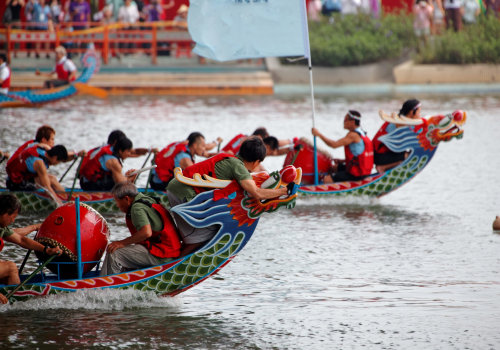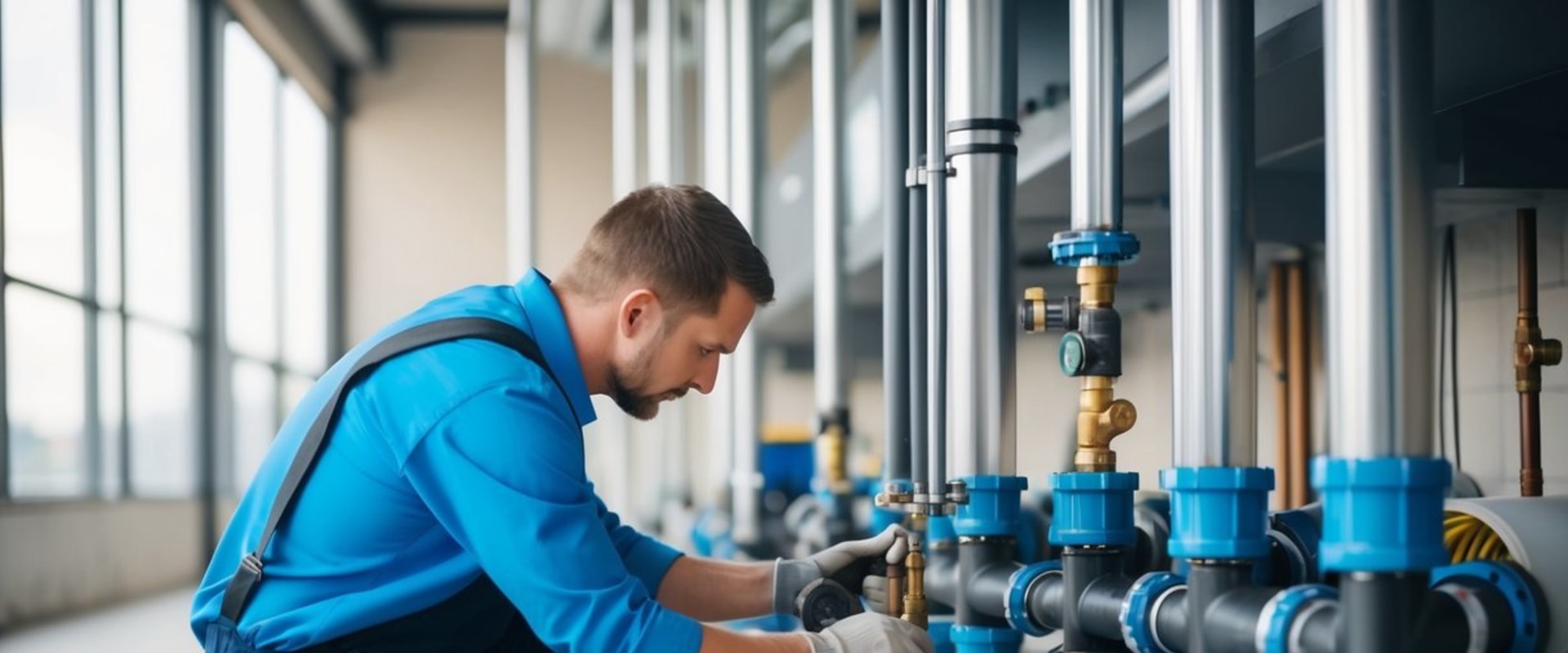
Waterfront event facilities are among the most desirable venues for weddings, corporate gatherings, festivals, conferences, private celebrations, and community events. Scenic views, natural surroundings, and attractive outdoor settings often make these locations highly appealing to organizers and guests alike. However, operating a successful waterfront venue involves far more than maintaining beautiful landscapes and event spaces. Behind the scenes, these facilities depend on complex infrastructure systems that support guest comfort, sanitation, food service operations, and overall functionality. Because of their proximity to water and exposure to environmental conditions, waterfront venues often face infrastructure challenges that require ongoing maintenance and careful planning. Among the most critical components supporting daily operations are plumbing systems, which play a central role in ensuring that events run smoothly and guests enjoy a positive experience.
High Visitor Volumes Place Stress on Infrastructure
Many waterfront facilities host large numbers of guests during peak event periods. Weddings, concerts, community festivals, and seasonal celebrations can dramatically increase demand on water supply systems, restrooms, kitchens, catering operations, and sanitation facilities. Plumbing infrastructure must be capable of handling these temporary surges in usage without compromising performance. Older or inadequately maintained systems may struggle to meet demand, leading to issues such as reduced water pressure, drainage problems, restroom disruptions, or service interruptions. Ongoing maintenance helps ensure that infrastructure remains reliable even when facilities experience significant fluctuations in occupancy and activity levels.
Environmental Conditions Accelerate Wear and Tear
Waterfront environments expose buildings and infrastructure to conditions that can accelerate deterioration. Humidity, salt air in coastal regions, fluctuating water levels, and severe weather events can all affect plumbing systems and related infrastructure components. Pipes, fixtures, valves, drainage systems, and utility connections may experience increased wear compared to similar systems located farther inland. These environmental factors make preventive maintenance especially important because minor issues can develop into larger problems if left unaddressed. Regular inspections allow facility operators to identify vulnerabilities before they affect operations or event schedules.
Reliable Plumbing Supports Guest Satisfaction
Guests attending events often focus on visible aspects of a venue, such as décor, scenery, entertainment, and food service. However, their overall experience is also influenced by the functionality of essential systems. Clean restrooms, dependable water access, efficient sanitation facilities, and properly functioning kitchens all contribute to comfort and convenience. Plumbing failures can quickly affect event quality and create negative impressions among attendees. Venue managers understand that maintaining reliable infrastructure is a critical part of delivering positive guest experiences and protecting the reputation of the facility.
Water Management Is a Continuous Responsibility
Waterfront facilities frequently face additional responsibilities related to drainage and water management. Heavy rainfall, storm surges, and seasonal weather patterns can place significant demands on drainage infrastructure. Effective water management helps prevent flooding, protects buildings and event spaces, and supports safe conditions for guests and staff. Ongoing maintenance ensures that drainage systems remain operational and capable of handling changing environmental conditions. Infrastructure planning often includes contingency measures designed to minimize disruptions during periods of heavy precipitation or extreme weather.
Emergency Preparedness Requires Infrastructure Support
Unexpected infrastructure failures can have serious consequences for event venues. A major plumbing issue occurring during a large event may disrupt operations, affect guest safety, and result in financial losses. Facility managers often prioritize preventive maintenance to reduce the likelihood of emergencies. Situations that require water main repair can be particularly disruptive because they may affect water availability across large portions of a property. By investing in routine inspections and infrastructure improvements, venue operators can reduce operational risks and improve preparedness for unforeseen challenges.
Protecting Long-Term Facility Success
Waterfront event facilities offer memorable experiences that attract guests year after year, but maintaining these venues requires continuous attention to the systems that support daily operations. Plumbing infrastructure, drainage networks, water supply systems, and utility components all contribute to the smooth execution of events and the long-term viability of the property. Ongoing maintenance helps preserve operational reliability, improve guest satisfaction, and reduce the likelihood of costly disruptions. By prioritizing infrastructure support, waterfront venues can continue delivering exceptional experiences while protecting the investments that make these unique destinations possible.